

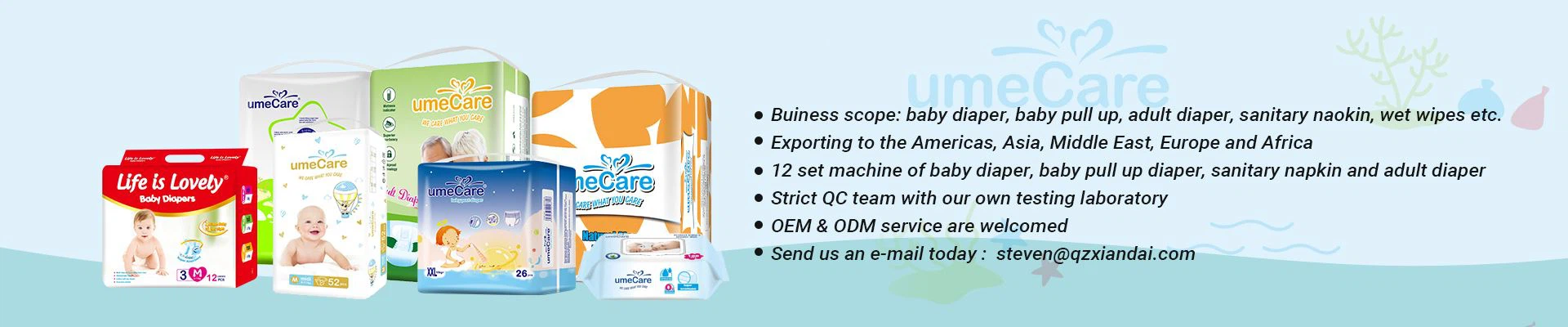


For infants and toddlers with delicate skin, diaper-related irritations-such as rashes, redness, or allergic reactions-are common concerns. As awareness grows about skin health and eco-conscious parenting, the demand for diapers specifically engineered for sensitive skin has surged. This article explores the design innovations, material science, and consumer considerations driving this specialized segment of the baby care industry.
Core Challenges for Sensitive Skin
Babies with sensitive skin react to common irritants found in traditional diapers, including:
Harsh chemicals: Chlorine bleaching residues, synthetic fragrances, dyes, and latex.
Trapped moisture: Non-breathable materials that create a humid environment, fostering bacterial growth.
Friction: Rough textures or ill-fitting designs causing chafing.
These factors necessitate diapers that prioritize hypoallergenic safety, superior breathability, and gentle contact.
Material Innovations: The Foundation of Comfort
Leading brands leverage advanced materials to minimize irritation:
Plant-Based Fibers: Bamboo, cotton, or sugarcane-derived topsheets replace petroleum-based plastics. These natural fibers are softer, more breathable, and biodegradable.
Chlorine-Free Processing: Wood pulp is whitened using oxygen-based methods instead of chlorine, eliminating toxic dioxin residues.
Fragrance- and Dye-Free Formulations: Avoidance of synthetic additives reduces chemical exposure risks.
Breathable Outer Layers: Microporous films allow air circulation while blocking leaks, maintaining a drier skin surface.
Engineering for Skin Health and Performance
Beyond materials, structural design plays a pivotal role:
Enhanced Absorbency: Multi-layered cores with premium Superabsorbent Polymers (SAP) lock away moisture quickly. This prevents prolonged wetness-a key trigger for rashes.
Stay-Dry Liners: Silky, nonwoven layers wick moisture away from the skin, maintaining dryness even during extended wear.
Leak-Prevention Features: Dual-barrier leg cuffs with soft elastics and 360° stretchable waistbands ensure a secure fit without pressure points.
Umbilical Cord Cutouts: Newborn-specific designs avoid friction on healing umbilical stumps.
Top Brands and Technologies
| Brand | Key Technologies | Skin-Sensitive Focus |
|---|---|---|
| Seventh Generation | Chlorine-free, plant-based topsheets | No fragrances, latex, or petroleum-based lotions |
| Honest Company | Overnight absorbency with maize-based PLA film | Dermatologist-tested, EWG verified |
| Pampers Sensitive | AirDry channels for breathability | Hypoallergenic, fragrance-free |
| Bambo Nature | Nordic EcoLabel-certified SAP | Zero chlorine, dyes, or parabens |
| Dyper | Bamboo viscose + compostable packaging | Biodegradable and plant-derived materials |
Practical Guidance for Parents and Retailers
Prioritize Certifications: Look for seals like EWG Verified, OEKO-TEX®, or FSC certification, which validate eco-friendly and non-toxic claims.
Fit Matters as Much as Materials: Even gentle diapers can irritate if poorly fitted. Adjustable tabs and contoured designs prevent gaps or tightness.
Transition Gradually: When switching brands, trial small packs first to monitor for reactions.
Complementary Skin Care: Pair with pH-neutral wipes and zinc-based barrier creams during flare-ups.
The Future: Sustainability Meets Sensitivity
The intersection of skin safety and environmental responsibility is shaping R&D:
Biodegradable SAP: New plant-based hydrogels that decompose faster without compromising absorbency.
Circular Systems: Brands like Dyper offer take-back programs to compost used diapers.
Smart Diagnostics: Emerging "smart diapers" with moisture indicators help parents change proactively, reducing rash risks.