



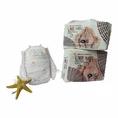


Selecting the correct diaper size is essential for your baby's comfort, preventing leaks, and avoiding skin irritation. While it may seem overwhelming, focusing on a few key factors simplifies the process. Here's a clear, step-by-step approach:
1. Prioritize Weight Over Age
Diaper sizes are primarily based on weight, not age. Babies grow at different rates, so weight is the most reliable indicator. Always check the weight range listed on diaper packaging. For example:
Newborn: Up to 10 lbs
Size 1: 8–14 lbs
Size 3: 16–28 lbs
Size 4: 22–37 lbs
Size 6: 35+ lbs
If your baby is near the upper limit of a size's range or has a fuller build, consider sizing up.
2. Watch for Signs of Poor Fit
Even within the right weight range, a diaper might not fit perfectly. Look for these red flags:
Leaks or blowouts: Frequent leaks around the legs or back often mean the diaper is too small.
Red marks: Tight elastics leaving indentations on the waist or thighs signal a too-tight fit.
Gaps or bunching: Gaps at the legs or a sagging diaper indicate it's too large.
3. Ensure Snug but Comfortable Security
A well-fitting diaper should:
Sit just below the belly button.
Allow you to slide two fingers snugly under the waistband.
Have leg cuffs that hug the thighs without gaps.
Fasten tabs symmetrically at the center of the waistband-avoid pulling them too tight.
4. Adjust for Activity and Sleep
Active babies (crawling/walking): Choose flexible, breathable designs (e.g., Size 3+ with reinforced leg cuffs).
Overnight use: Size up for extra absorbency or use overnight-specific diapers to handle 10–12 hours of wear.
Swim diapers: Size up twice (e.g., use Size 5 for a baby in the Size 4 weight range) to counteract water pressure.
5. Special Scenarios
Premature infants: Start with preemie sizes (<6 lbs).
Chunky thighs or narrow waist: Try brands with adjustable tabs for a customized fit.
Sensitive skin: Opt for fragrance-free, hypoallergenic materials to reduce irritation.
6. When to Size Up
Reassess diaper size every 2–3 months or if you notice:
Weight gain pushing your baby to the top of a size's range.
Consistent leaks or discomfort during movement.
Difficulty fastening tabs without excessive tightness.
Key Tips for Parents
Avoid overstocking: Babies outgrow sizes quickly, especially newborns. Buy smaller quantities until you confirm the ideal fit.
Test brands: Sizes vary slightly between manufacturers. Sample small packs before bulk-buying.
Prioritize absorbency: Larger sizes (e.g., Size 4–6) often have higher absorbency for older babies' needs.